
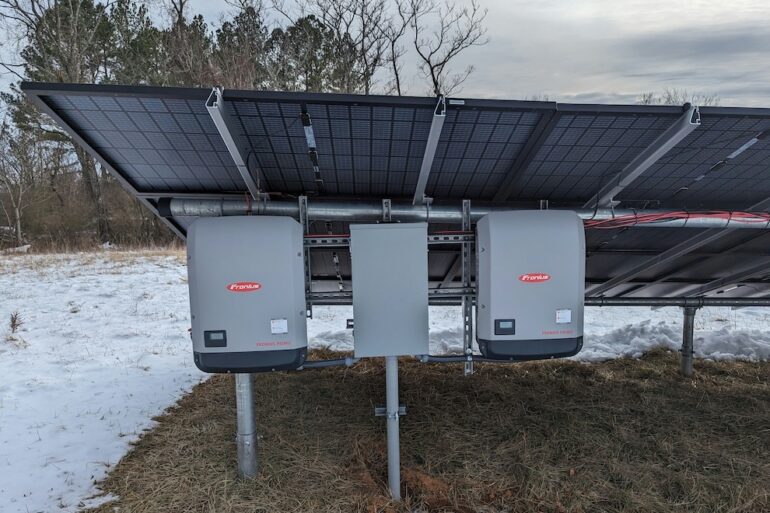
When people think about solar energy systems, solar panels usually get all the attention. But one of the most critical components of any solar setup is the solar inverter — the device that converts the direct current (DC) electricity produced by your panels into usable alternating current (AC) power for your home or business. Understanding how long a solar inverter lasts helps set realistic expectations and plan for long-term system performance.
Average Lifespan
Most solar inverters have an average lifespan of 10 to 15 years, which is shorter than the 25–30-year lifespan of solar panels. This means that during the life of your solar system, you should expect to replace the inverter at least once. Manufacturers typically offer warranties ranging from 5 to 12 years, with extended warranty options available for added peace of mind.
Inverters have a shorter lifespan because they contain electronic components that work continuously and are more sensitive to heat and electrical stress than solar panels.
Types of Solar Inverters and Their Longevity
Not all inverters age the same. The type of inverter you choose plays a major role in how long it will last:
- String Inverters: Common and cost-effective, these usually last 10–15 years.
- Microinverters: Installed on each panel, microinverters often last 20–25 years and typically match panel warranties.
- Power Optimizers: Used with a central inverter, optimizers can last 20+ years, while the main inverter still falls in the 10–15-year range.
While microinverters have a higher upfront cost, their longer lifespan and improved performance monitoring can offset replacement expenses over time.
Get Your Energy Independence
What Affects How Long Solar Inverters Last?
Several factors influence how long an inverter will operate efficiently:
- Heat Exposure: High temperatures accelerate electronic wear.
- Installation Location: Shaded, well-ventilated areas extend inverter life.
- System Design: Proper sizing prevents electrical overload.
- Grid Conditions: Frequent voltage fluctuations can increase stress.
- Maintenance and Monitoring: Early detection of faults helps avoid premature failure.
Professional installation and good airflow around the inverter are essential for longevity.
Signs Your Solar Inverter Needs Replacement
Inverters often provide warning signs before failure, including error codes, reduced system output, or frequent shutdowns. Many modern systems include monitoring apps that alert homeowners when performance drops.
The Bottom Line
While solar inverters don’t last as long as panels, they remain a reliable and essential part of any solar system. Planning for inverter replacement and choosing the right technology can help ensure your solar investment delivers clean, dependable energy for decades to come.
If it has been a dozen years or more since your solar power system was installed and you have never replaced your inverter, the time for a new inverter may be approaching. If you would like an evaluation of your inverter’s performance or a quote on the cost of a replacement, get in touch with Solora Solar so we can help you make the best decision for your energy needs.