
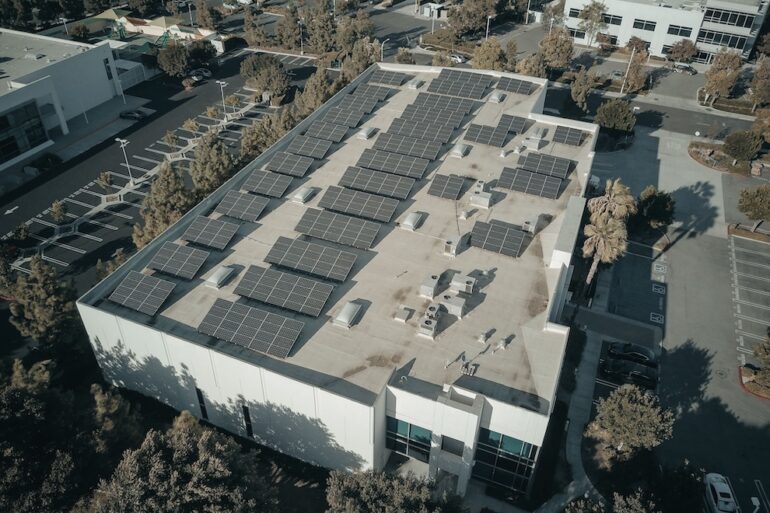
Safe Harbor is a compliance pathway that lets commercial solar projects lock in current federal Investment Tax Credit (ITC) rates even if construction and commissioning finish later. By meeting IRS requirements that show construction has begun — either through qualifying spending or meaningful physical work — projects can preserve the higher credit rate available in the year Safe Harbor is achieved.
Safe Harbor Requirements
There are two primary ways to establish Safe Harbor under current guidance:
- spend at least 5% of total project costs on qualifying equipment, or
- begin physical work of a meaningful nature and document steady progress.
For many commercial projects, the physical work test is now the dominant route because recent Treasury guidance narrowed the 5% spending option for larger systems.
“Safe harboring gives commercial property owners a way to secure today’s higher federal Investment Tax Credit rate even if construction will not wrap up for many months.”
Key Deadlines & Thresholds
Recent Treasury updates shorten the eligibility window: projects generally must begin construction by early July 2026 or be placed in service by the end of 2027 to retain their credit status. Systems at or below 1.5 MW AC can still use the 5% cost method through July 4, 2026; larger projects must rely on documented physical work. These timing and size thresholds are critical for planning procurement, permitting, and on‑site activity.
Get Your Energy Independence
Practical Steps
If you are looking to get a project safe harbored in the next five weeks, here are the steps you need to take to secure locked-in ITC rates:
- Choose the right path — for small commercial systems (≤1.5 MW AC) evaluate whether the 5% spend or physical work test is faster; for larger systems prioritize physical work.
- Document everything — invoices, purchase orders, shipping receipts, site photos, contractor logs, and dated progress reports create the audit trail the IRS expects.
- Start visible, qualifying work — meaningful physical work can include foundation pours, racking installation, or other on‑site construction that’s clearly attributable to the project.
- Coordinate procurement — long‑lead items should be ordered and tracked so spending milestones and delivery dates support your Safe Harbor claim.
- Engage tax and legal counsel — ensure your documentation and approach align with the latest IRS notices and Treasury guidance.
Why Acting Now Matters
Safe Harbor protects projects from future reductions in incentive credits and from new restrictions — such as limits tied to foreign supply chains — that could reduce eligibility. Locking in the ITC now preserves a predictable financial foundation, improves project returns, and reduces exposure to rising equipment and permitting costs.
Taking decisive, well‑documented steps today is the most reliable way to secure federal solar incentives for your commercial project. If you’d like, I can outline a checklist tailored to your project size and timeline.