
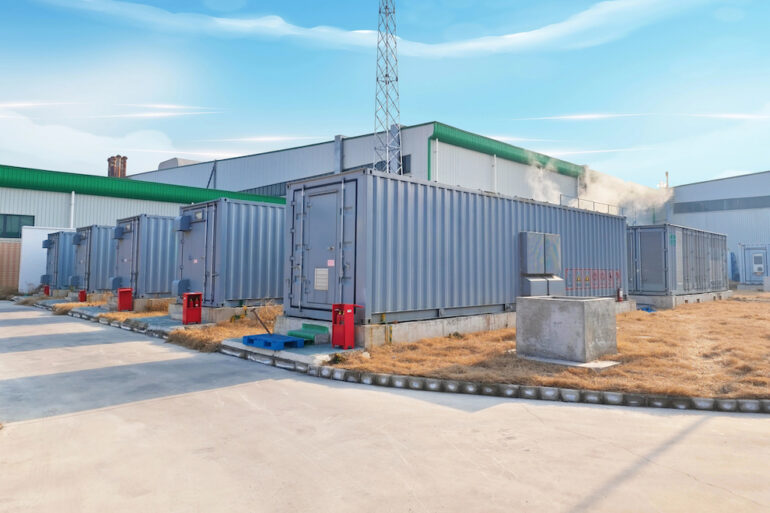
As energy costs continue to rise and grid reliability becomes less predictable, more business owners are asking an important question: Is battery storage worth it for commercial buildings? When paired with solar — or even used on its own — battery storage can provide financial savings, operational stability, and long-term energy control. But whether it makes sense depends on how your business uses electricity.
Understanding Commercial Battery Storage
Battery storage systems allow businesses to store excess electricity — either from solar panels or from the grid during off-peak hours—and use it later when energy costs are higher. Instead of drawing expensive peak power from the utility, your building can rely on stored energy.
For many commercial properties, the biggest opportunity isn’t just energy savings — it’s demand charge reduction.
The Demand Charge Advantage
Unlike residential customers, most commercial utility bills include demand charges. These are fees based on your highest 15-minute (or similar interval) spike in electricity usage during a billing cycle. Even one short surge in power usage can significantly increase your monthly bill.
Battery storage can help reduce these spikes through a strategy called peak shaving. When your building’s energy demand climbs, the battery discharges stored power to offset the surge — lowering demand charges and stabilizing monthly costs.
For facilities with high energy loads — such as manufacturing plants, cold storage facilities, warehouses, or large office buildings — this can result in substantial savings.
Get Your Energy Independence
Backup Power and Business Continuity
Battery storage also provides backup power during outages. For businesses where downtime is costly—retail operations, healthcare facilities, data centers, or food service—maintaining operations during grid interruptions can justify the investment alone.
Unlike traditional generators, battery systems operate quietly, require less maintenance, and can respond instantly to outages.
Time-of-Use Optimization
In areas with time-of-use (TOU) utility rates, electricity costs vary throughout the day. Batteries can charge when rates are low and discharge when rates are high, helping businesses avoid peak pricing.
Is It Worth the Investment?
Battery storage typically adds upfront cost to a commercial solar project, but federal tax incentives and accelerated depreciation may apply. In many cases, combining solar and storage improves long-term ROI — especially in markets with high demand charges or unstable grids.
The key is a detailed financial analysis. Every building’s energy profile is different, and the value of storage depends on load patterns, utility structure, and operational priorities.
Final Thoughts
For many commercial buildings, battery storage isn’t just about sustainability — it’s about financial strategy and risk management. When properly designed, a battery system can lower operating costs, protect against outages, and provide greater control over energy expenses. The right evaluation will determine whether it’s a smart investment for your business.
Photo credit: Wikimedia Commons